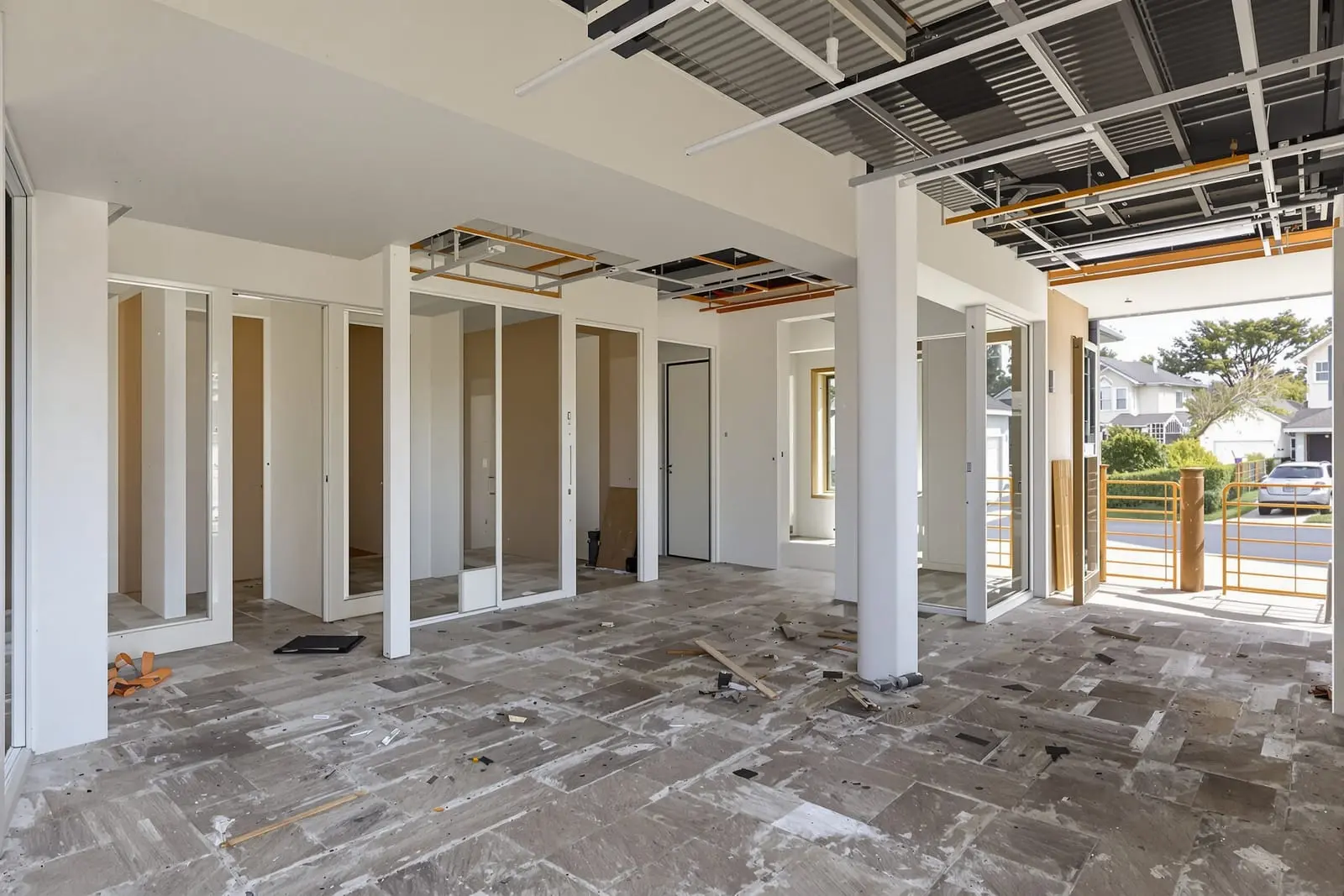
Our interior commercial demolition services in Raleigh, NC support office, retail, and industrial renovations. We remove ceilings, partitions, flooring, mechanicals, and fixtures while protecting structural components and base building systems. Work can be phased or scheduled off hours to minimize disruption. Wrexo Demolition Raleigh delivers clean, code ready spaces for your next commercial build out.
Wrexo Demolition Raleigh provides professional interior commercial demolition throughout Raleigh, NC and the surrounding area. Our licensed, insured crew delivers safe, clean, on-time work with a free estimate before anything begins. Call (984) 254-6930 or request your free quote.
Interior Commercial Demolition in Raleigh That Keeps Your Business Moving
Interior commercial demolition is more than tearing out walls. For a business in Raleigh, it is a carefully planned process that must protect the rest of your building, your schedule, and your budget. Wrexo Demolition Raleigh focuses specifically on interior commercial demolition for offices, retail spaces, restaurants, medical suites, industrial units, and mixed‑use buildings throughout the Triangle.
Because we are local, we understand the typical construction styles in Raleigh: tilt‑up concrete retail shells in North Hills and Brier Creek, older brick buildings downtown, steel‑framed office parks in RTP, and retrofitted mill and warehouse spaces. Each type of structure has its own hidden challenges, from unmarked utilities to older fireproofing materials. Our crews approach every project with a site‑specific plan so you get a clean, ready‑to‑build interior without surprises that slow down your tenants or contractors.
How We Plan an Interior Commercial Demolition Project
A safe and efficient interior demolition starts with careful planning. When Wrexo Demolition Raleigh visits your property, we walk the space with you, review any available plans, and confirm which elements stay and which go. This usually includes walls, ceilings, flooring, casework, mechanical systems, and built‑in fixtures. We pay close attention to structural elements, fire corridors, and any shared walls with neighboring tenants.
Next, we coordinate with building management and your general contractor to understand building rules, loading dock access, elevator restrictions, and work hour limitations. Many Raleigh office towers and shopping centers limit noisy work to early mornings or evenings. We factor these rules into your schedule so your project does not conflict with other tenants.
Before physical work starts, we identify shut‑off points for electrical, plumbing, gas, and sprinkler systems. We verify who is responsible for disconnects (often your electrician or plumber), then sequence our demolition to match. This planning phase is also when we flag potential environmental issues, such as older floor tile mastics, pipe insulation, or sprayed fireproofing, so you can have them tested and, if necessary, abated before they affect timelines.
Step‑by‑Step: How Interior Commercial Demolition Actually Happens
Once planning is complete and permits and clearances are in place, our crew sets up site protection. Wrexo Demolition Raleigh installs temporary dust walls (poly sheeting or temporary wall systems), floor protection for elevators and corridors, and corner guards in common areas. In occupied Raleigh buildings, we often build a “clean corridor” so other tenants can move through the building without tracking dust.
We begin with soft demolition. This includes removing doors, trim, cabinets, restroom partitions, appliances, light fixtures, ceiling tiles, carpet, and loose equipment. Soft demo clears the way so we can see the structure and utilities more clearly. Items designated for reuse or donation are carefully removed and set aside.
Next, we remove non‑structural partitions and ceilings. Using saws, pry bars, and small demolition tools, we take down metal studs, gypsum board, and grid ceilings. We cut and cap accessible non‑live utilities and flag any active lines for your trade contractors. In many Raleigh interiors, data cabling and low‑voltage systems have been added in layers over the years. We organize and separate these materials so your IT or low‑voltage contractor can reconnect or discard them as needed.
Flooring demolition comes after overhead work so debris does not damage new slab surfaces. We remove tile, hardwood, VCT, carpet, and underlayment using ride‑on scrapers and hand tools depending on access. Adhesives are ground or scraped to meet the finish requirements of your future flooring installer.
Throughout the process, we continuously clean and stage debris for hauling, keeping aisles open and exits clear. When the demolition scope is complete, we perform a detailed final clean of the work area so your build‑back crews can start without delay.
Cost Factors for Interior Commercial Demolition in Raleigh
Interior commercial demolition pricing is highly dependent on the specific space. Wrexo Demolition Raleigh builds estimates around several major factors so you understand what drives cost instead of seeing a single unexplained number.
Square footage and ceiling height are the starting points, but complexity matters more than size. A small medical suite with lead‑lined walls, built‑ins, and dense utilities can cost more per square foot than a larger, open office. The number and type of materials to be removed make a difference as well. Ceramic tile on a thick mortar bed, plaster over metal lath, or multiple layers of old flooring adhesives each require more labor and disposal.
Access is another key factor. In downtown Raleigh buildings, limited loading dock time, freight elevator restrictions, and distance to dumpsters add labor hours. In suburban retail shells with drive‑up access, debris moves faster and costs are lower. Building rules about work hours, noise, and dust control also affect crew size and schedule.
Potential environmental concerns can influence total project cost. If testing reveals asbestos‑containing materials or other regulated substances, those must be handled by a licensed abatement contractor before or alongside our work. We help you identify these risks early so they are included in budgeting, not discovered halfway through the demolition.
Safety, Code Compliance, and Working in Occupied Buildings
Interior commercial demolition in an occupied building is different from a stand‑alone tear‑down. Safety, noise, and air quality must be managed so tenants, employees, and visitors can continue using the rest of the property. Wrexo Demolition Raleigh trains every crew member in confined‑space awareness, fall protection, and material handling that is specific to interiors.
We coordinate with your property manager and, when needed, the City of Raleigh inspections office to make sure our work aligns with fire and life‑safety requirements. This includes keeping fire exits clear, protecting sprinkler heads and devices that remain in service, and not compromising rated corridors or assemblies without proper approvals.
Noise and dust are two of the most common concerns from neighboring tenants. We schedule the loudest tasks, such as concrete chipping or large structure removal, during approved hours (often early mornings or weekends). For dust, we use negative air machines with HEPA filtration, sealed work zones, and regular sweeping and vacuuming rather than dry sweeping alone. This is especially important in medical offices, food service spaces, and buildings with sensitive equipment.
Electrical safety is treated as a separate step, not an afterthought. Before we open any wall or ceiling, we verify circuits are de‑energized at the panel and labeled. In older Raleigh properties where labeling is inconsistent, we test and lockout circuits, then document any hidden junction boxes or unusual wiring to share with your electrician.
Debris Removal, Recycling, and Local Disposal Practices
Interior commercial demolition produces a lot of material in a short time. Handling it efficiently keeps your jobsite clean and your costs predictable. Wrexo Demolition Raleigh uses a combination of rolling carts, chutes, and staged dumpster swaps depending on building layout and city rules.
We separate metal (such as studs, conduit, ceiling grid, and mechanical components) from mixed debris whenever practical. Recyclable metal is sent to local facilities around Raleigh, which helps offset a portion of the disposal cost. Clean concrete, masonry, and brick from interior pier or slab removals may be diverted to approved recycling centers if volumes justify the haul.
Raleigh and Wake County have specific rules about certain construction and demolition materials, especially when there is any possibility of contamination. We stay current with local disposal site requirements and coordinate any special handling, such as manifesting regulated waste or using lined containers when needed.
At the end of the project, you receive a summary of dumpsters or loads removed and, upon request, recycling weights or tickets from local facilities. This documentation can be important for corporate sustainability goals, LEED projects, or landlord reporting requirements for larger office or retail portfolios.
What Raleigh Businesses Should Ask Before Hiring an Interior Demolition Contractor
Choosing the right interior commercial demolition partner can prevent delays and unexpected costs. Before you hire any company in Raleigh, ask whether they have completed projects in buildings similar to yours, such as multi‑tenant downtown offices, strip centers, hospitals, or industrial parks. Wrexo Demolition Raleigh can provide examples and references that match your property type.
Verify how the contractor protects shared spaces like lobbies, corridors, elevators, and parking areas. Ask to see photos of actual setups, not just verbal promises. Detailed protection plans show that the company understands your building owner’s expectations.
Ask who handles permits and coordination with the City of Raleigh or relevant jurisdiction. For many interior commercial demolition jobs, a building or demolition permit is required, particularly if walls, egress paths, or fire systems are affected. We routinely work with local inspectors and will clarify what is needed for your specific address.
Find out how they handle unexpected discoveries, such as hidden utilities, unpermitted modifications from past tenants, or suspect environmental materials. A reputable contractor will explain a clear process for documenting conditions, pausing work if safety is a concern, and issuing change orders only when truly necessary.
Finally, confirm insurance, workers compensation, and any trade licenses that apply, and make sure the company is comfortable working around your timeline. Whether you are turning a tenant space in a North Raleigh shopping center or gutting an entire floor of a Glenwood South office building, Wrexo Demolition Raleigh approaches interior commercial demolition with a local mindset: protect the building, respect the neighbors, and leave a clean, ready‑to‑build space for your next phase.
“
Professional interior commercial demolition, done right the first time, quality materials, honest pricing, and results that last.
Wrexo Demolition Raleigh
Interior Commercial Demolition Across Our Service Area