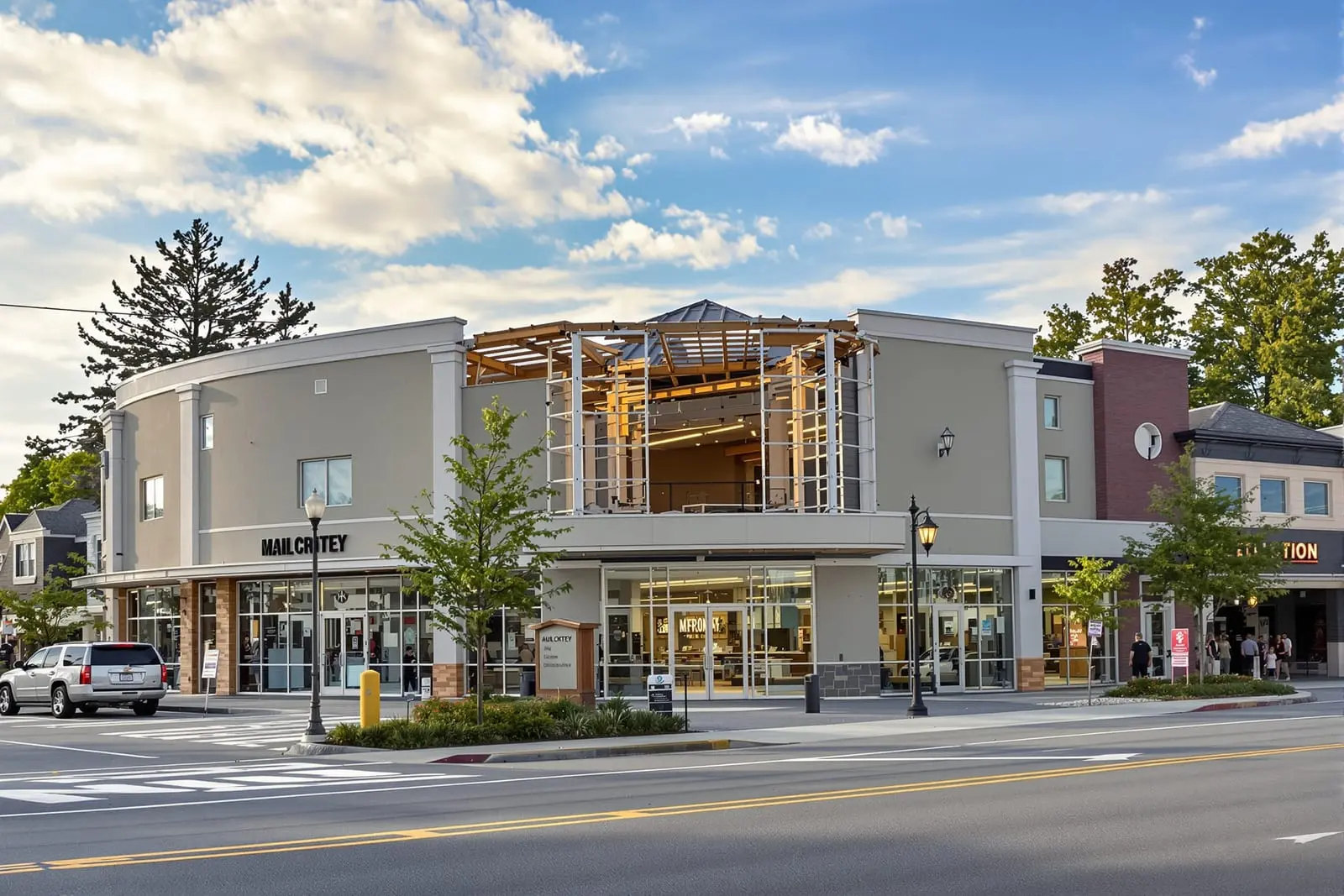
Wrexo Demolition Raleigh offers retail demolition in Raleigh, NC for malls, shopping centers, and standalone restaurants. We remove storefronts, kitchens, serving lines, dining areas, and back of house spaces safely and efficiently. Grease ducts, coolers, and specialized equipment are dismantled and hauled away. Our team helps landlords and tenants quickly reset spaces for new concepts.
Wrexo Demolition Raleigh provides professional retail demolition throughout Raleigh, NC and the surrounding area. Our licensed, insured crew delivers safe, clean, on-time work with a free estimate before anything begins. Call (984) 254-6930 or request your free quote.
Mall, Retail and Restaurant Demolition in Raleigh, Done the Practical Way
Mall, retail and restaurant demolition is more than knocking walls down. In Raleigh, most of these projects involve tight timelines from landlords, shared walls with neighbors, and very specific rules from the city and fire marshal. Wrexo Demolition Raleigh focuses on planning first so the actual tear out is predictable and safe.
On a typical job inside a mall or shopping center, we start with a walkthrough with you and, if possible, the property manager. We confirm what must stay (demising walls, fire sprinklers, main electrical panels, shared HVAC trunks, base building restrooms) and what can go (tenant-installed walls, bar buildouts, coolers, kitchen hoods, flooring, ceilings, lighting). We photograph utilities, existing damage, and access paths so there are no surprises later.
We then coordinate with you on hours that fit the center’s rules. Many Raleigh malls and busy retail strips along Glenwood Avenue or Capital Boulevard only allow noisy work early morning or evening. For active restaurants, we often plan demolition in phases so you can shut down for the shortest time or move operations to a food truck or second location while we work.
Once the logistics are set, we pull or help you pull the required demolition permits with the City of Raleigh, line up dumpsters that meet the center’s rules, and schedule utility shutoffs or lockouts. Only after this planning do we start actual removal inside the space.
How Interior Retail and Restaurant Demo Actually Works
Most of the work we do for retail demolition in Raleigh is interior selective demolition, not total building teardown. That means we are carefully stripping the inside without harming the structure that the landlord owns.
We usually start by capping and making utilities safe. Electric circuits to old equipment and lighting are locked out and tagged. Gas to kitchen equipment is shut off and capped by a licensed pro. Water to dish lines, bar sinks, and restrooms being removed is isolated so there are no surprise leaks. We do not remove any shared fire lines, sprinklers, or alarm wiring unless it is clearly tenant-owned and approved by the landlord.
After utilities are safe, we remove loose items and appliances (tables, chairs, bar equipment, racks, coolers) so the path is clear. Heavy items like walk-in coolers and pizza ovens are broken down into manageable pieces so we can move them through back corridors without damaging common areas. In downtown Raleigh or older strip centers with small loading areas, this step is carefully staged so dumpsters never block other tenants.
Next we tackle walls and ceilings. Non-load-bearing walls are opened up from the top down so we can verify wiring and plumbing locations. We cut and remove ceiling grid, tiles, and tenant-installed lighting, being careful not to disturb sprinkler piping. In restaurants, we remove kitchen lines, old FRP panels, and furring on block walls to get back to a clean shell ready for your new build-out.
Floors are usually last. This can mean removing tile set in thick mortar, grinding glue from old vinyl, or pulling multiple layers of flooring from previous tenants. Commercial kitchens often need quarry tile and grease-saturated underlayment removed. We use dust-controlled tools where possible and schedule the noisiest grinding work during off-peak hours to keep neighboring businesses happier.
Special Considerations for Restaurant Demolition in Raleigh
Restaurant demolition has headaches that normal retail spaces do not. Kitchens and bars are packed with grease, hidden utilities, and health department concerns that must be handled correctly.
One of the first questions we ask is whether there are grease traps, in-ground interceptors, or rooftop exhaust systems involved. Cleaning and removing a duct or hood coated in years of grease requires containment, fire-safe work practices, and proper disposal. Wrexo Demolition Raleigh coordinates with hood cleaners, mechanical contractors, and roofers so the penetration in the roof is properly closed or prepped for new equipment.
Grease in floors and walls is another issue. Old kitchen tile can be set over deteriorated slab or water-damaged subfloor. Once the tile is up, we often find soft spots, cracked concrete, or saturated underlayment. We alert you and your contractor early so they can budget for slab repair rather than getting hit with change orders at the end of the job.
Cold and freezer spaces need special handling. Walk-in coolers and freezers may have insulated panels with specific disposal requirements and floors that sit over insulation and vapor barriers. If the plan set calls for these to be removed, we break them down section by section, protect the slab beneath, and separate metal from insulation so recyclables are not mixed with trash.
Health and odor control matters too, especially in the North Carolina summer. When we remove long-standing restaurant fixtures, there can be odors, pests, and spoiled material trapped behind equipment. We bring in sealed containers where needed, disinfect affected areas after heavy removal, and keep the worksite ventilated so adjacent tenants do not deal with lingering smells.
What Drives Cost and Timeline for Retail Demolition Projects
Two retail spaces with the same square footage can have very different demolition costs. Wrexo Demolition Raleigh walks you through the main factors up front so you understand where your budget is going.
Access is a big cost driver. A second-floor mall space at Crabtree or Triangle Town Center, where debris must be wheeled down long corridors and into a shared dock, will cost more than a ground-level strip center with a roll-up door right at the space. Limited dumpster access, loading dock time windows, and freight elevator rules all add labor hours.
The complexity of the build-out also matters. A simple apparel store with open ceilings is quick to strip. A former full-service restaurant with a bar, multiple restrooms, walk-ins, heavy exhaust, and several generations of patchwork changes behind the walls takes more time. Unknown conditions, like older plumbing or abandoned wiring, mean more careful removal and sometimes additional coordination with trades.
Material disposal plays a role too. Tile set in thick mortar, concrete toppings, or multiple layers of flooring are heavier and cost more per dumpster than light materials like drywall and ceiling tile. Metal such as ductwork and framing can be recycled, which can offset some hauling costs. In some cases we can separate materials to reduce your disposal fees.
Timeline is usually driven by your landlord’s turnover date and your build-out contractor’s schedule. If you need a fast turnaround, we may schedule additional crew and extended hours to meet the deadline. Work that must happen only during off-hours, like noisy slab cutting or heavy floor grinding, will also affect cost since we plan for overtime and lighting.
When we visit your space, we provide a written scope and estimate that calls out what is included, what is excluded, and the assumptions we are making (for example, no asbestos in floor mastic, or existing utilities can be shut off at local panels). This transparency reduces surprises for everyone involved.
Permitting, Scheduling and What Raleigh Tenants Should Do Before We Arrive
Local rules, weather, and site conditions in Raleigh all affect how a retail demolition job should be scheduled. The City of Raleigh usually requires a demolition or interior alteration permit for significant tear-outs inside commercial spaces. For many tenant spaces, your general contractor will pull the permit, but if you are handling the project yourself, Wrexo Demolition Raleigh can help gather the information needed for the application.
In multi-tenant centers, property managers often require proof of insurance, a demolition work plan, and sometimes a certificate of disposal for certain materials. We are used to working with local landlords and can provide the documents they typically ask for, including site-specific safety plans when needed.
Weather matters mainly for access and dumpsters. Heavy rain can turn older gravel service drives behind strip centers into mud, which slows hauling and can damage access routes. In the hotter months, especially July and August, interior demo can be very tough on workers if HVAC is off, so we plan extra breaks and often try to front-load the heaviest labor early in the morning. For indoor mall spaces, climate is controlled, so summer is often an easier time to schedule compared with winter holidays when traffic is high and work hours are more limited.
Before we arrive, you can save time and money by clearing out anything you plan to keep, such as POS systems, branded fixtures, or specialty lighting. Provide us with any as-built drawings from your landlord, past permits, or photos from earlier build-outs. These help us anticipate utilities and hidden conditions. Let us know early if you have deadlines tied to lease termination, inspections, or opening dates for a new concept.
On site, we protect common areas with floor covering, corner guards, and temporary barriers where needed. We maintain clear paths to exits and comply with fire code at all times. At the end of the job, we broom-clean the space, remove our temporary protection, and walk the area with you or your representative to confirm the scope is complete and the space is ready for the next phase of construction or landlord inspection.
“
Professional mall, retail and restaurant demolition, done right the first time, quality materials, honest pricing, and results that last.
Wrexo Demolition Raleigh
Mall, Retail and Restaurant Demolition Across Our Service Area