Home › Selective and Partial Residential Demolition
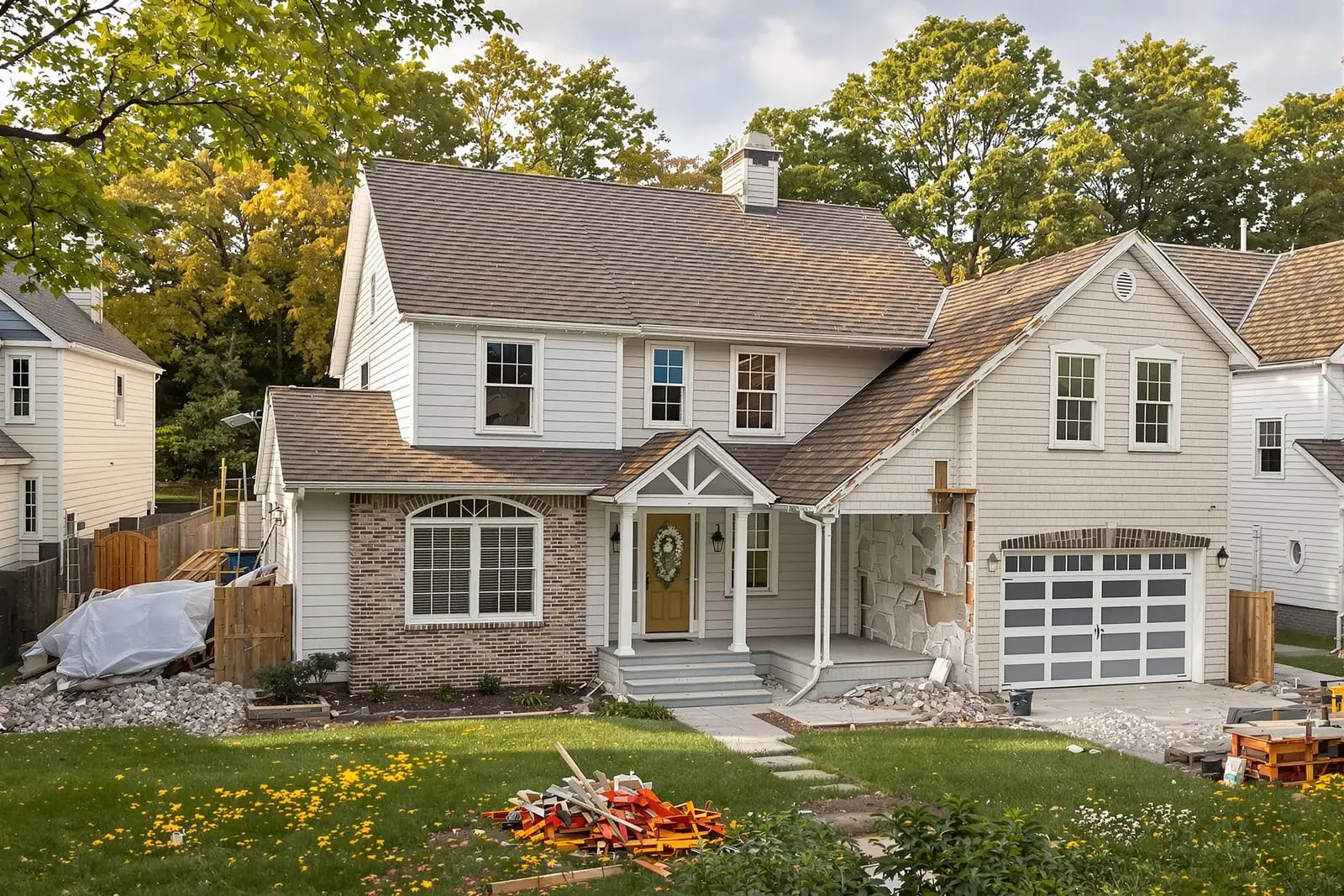
Our selective demolition services in Raleigh, NC focus on removing only what you need gone. We carefully dismantle additions, rooms, or damaged areas while preserving structural components that remain. Dust, noise, and vibration are controlled to reduce impact on your home and neighbors. Wrexo Demolition Raleigh is your partner for precise, partial residential demolition.
Wrexo Demolition Raleigh provides professional selective demolition throughout Raleigh, NC and the surrounding area. Our licensed, insured crew delivers safe, clean, on-time work with a free estimate before anything begins. Call (984) 254-6930 or request your free quote.
Selective Residential Demolition in Raleigh, Done the Right Way
Selective demolition is the careful removal of specific parts of a home while protecting everything you want to keep. At Wrexo Demolition Raleigh, we help homeowners, investors, and contractors open up floor plans, prepare for additions, and remove unsafe or outdated areas without tearing the whole house down.
In practical terms, selective residential demolition might mean taking out one interior wall to create an open kitchen, gutting a single bathroom to the studs, removing an old chimney, or stripping a back porch while leaving the roof and main structure intact. Our team focuses on preserving what has value: framing that will stay, historic trim, existing utilities, and finishes that you plan to reuse.
Because we live and work in the Raleigh area, we are used to working in occupied homes, tight city lots, and established neighborhoods like Five Points, North Hills, and around NC State. We schedule work to limit disruption to your family and your neighbors, coordinate with other trades when needed, and plan routes for debris removal that respect your yard and driveway.
How Our Selective Demolition Process Works
Every project with Wrexo Demolition Raleigh starts with a walk-through. We meet at your home, review your plans or ideas, confirm what must be removed and what must remain, and look behind access panels and in the attic or crawlspace when needed. This visit helps us spot hidden utilities, structural elements, and potential asbestos or lead paint concerns before work begins.
Once we understand the scope, we create a demolition plan that includes:
1. Clear boundaries of the work area, including what is off limits.
2. A sequence of removal tasks, so we avoid destabilizing anything that needs to stay.
3. Utility shutoff or isolation steps for electrical, plumbing, gas, HVAC, and low voltage lines.
4. Dust, noise, and debris management strategies that match your living situation.
Before any selective demolition starts, we lay floor protection, seal off work areas with plastic and zip walls when appropriate, and set up negative air or fans if we expect heavy dust. We then remove finishes (cabinets, trim, drywall, tile) before touching framing or supports. Structural components such as load bearing walls, beams, and posts are only cut after we confirm support plans with you or your contractor. At the end of each day, we sweep, consolidate debris, and keep the work zone safe to walk past or around.
Interior Selective Demolition: Walls, Kitchens, Bathrooms, and More
Interior selective demolition covers anything inside the envelope of your home. In the Raleigh market, this often means updating 1980s and 1990s layouts, removing partial walls between the kitchen and living areas, or gutting interior spaces in older bungalows for full remodels.
Common interior selective demolition tasks we handle include:
• Removing non load bearing walls to open up rooms.
• Carefully demoing one side of a shared wall so an adjacent finished room stays intact.
• Stripping kitchens of cabinets, countertops, appliances, and flooring while protecting subfloor and nearby rooms.
• Gutting showers and tubs to framing for bathroom remodels.
• Removing drop ceilings, soffits, and furdowns to reclaim ceiling height.
We use smaller demolition tools and hand removal techniques in tight or finished areas. For example, rather than swinging large sledgehammers near existing windows or custom cabinetry, we score drywall, pry panels, and cut fasteners so vibrations stay low. Power is shut off to targeted circuits before we open walls, and we label and cap plumbing lines that will be reused. In older Raleigh homes, we frequently encounter unexpected plaster, rock lath, or multiple layers of flooring, and we build time into our plan to handle those discoveries without blowing up your schedule.
Partial Structural and Exterior Residential Demolition
Not all partial demolition is inside. Many Raleigh homeowners call Wrexo Demolition Raleigh to remove attached garages, sunrooms, decks, porches, or one side of a duplex or addition while the main living area remains.
Structural and exterior partial demolition requires careful sequencing and temporary support. Before removing a deck or porch roof, we inspect how it ties into the main house, including ledger boards, posts, and connection points to roof framing. For partial removal of an addition, we identify which walls carry loads, how rooflines meet, and where weatherproofing transitions will be needed once demolition is complete.
We often:
• Cut and remove only the damaged section of a roof or overhang.
• Detach siding and sheathing in a controlled pattern so remaining walls are not exposed for longer than necessary.
• Use temporary bracing if supporting elements are being modified before the new structure is built.
On tight Raleigh lots or in neighborhoods with mature trees, we plan equipment access and debris staging in advance. Smaller skid steers, mini excavators, or hand demo methods may be used where a full-size machine would risk damage to driveways, root systems, or neighboring fences.
What Drives the Cost of Selective Demolition in Raleigh
Selective demolition is more detailed than full tear down, so pricing is driven by precision and complexity rather than just size. When Wrexo Demolition Raleigh prepares a quote, we look at several factors that directly affect cost.
Access: Second story work, cramped crawlspaces, or narrow side yards can slow removal and debris handling. Easier access means less labor.
Materials: Plaster over lath, tile on thick mortar beds, multiple flooring layers, and concrete or masonry require more time and heavier tools than single-layer drywall or laminate.
Structures and utilities: Walls that contain plumbing stacks, electrical panels, or HVAC trunks require more careful removal and coordination than empty partition walls.
Hazardous materials: If we suspect asbestos in flooring or old mastic, or lead paint on trim, we will recommend testing. If confirmed, specialized abatement or controlled methods will add cost but are necessary for safety and compliance.
Debris volume and disposal: Landfill fees, sorting for recycling (for metal and clean wood), and extra hauls for heavy debris like brick or concrete influence the final price.
We provide written, line-item estimates that show where costs come from. This helps you decide whether to scale the scope up or down, for example gutting only one bathroom at a time instead of two, or removing finishes and leaving some light framing adjustments for your contractor.
Scheduling, Permits, and Seasonal Timing in the Triangle
In Raleigh and Wake County, not every selective demolition project needs a permit, but many do. Removing interior non load bearing finishes usually does not require a demolition permit, although your remodel may still need building permits. However, taking out structural walls, altering roof or exterior walls, or demolishing attached structures often triggers city or county review.
Wrexo Demolition Raleigh can coordinate with your general contractor or guide you to the right permit office depending on whether you are in Raleigh city limits, Cary, Garner, or other nearby areas. Starting demolition only after paperwork is in place prevents job shutdowns and fines.
Seasonally, partial and selective demolition can be performed year round, but timing matters. In the Triangle, late fall and winter are often good times for interior gutting since humidity is lower and cooling loads are reduced. For exterior partial demolition, spring and early fall can be ideal because we can open up walls or roof sections without exposing your home to extreme summer heat or heavy winter rain. When we must open the building envelope, we plan for quick weatherproofing using temporary sheathing, tarps, or shrink wrap to protect the interior if weather shifts unexpectedly.
We also coordinate work hours to respect neighborhood noise expectations, scheduling the loudest phases for mid-day whenever possible and limiting early morning and evening disturbance.
Why Homeowners in Raleigh Choose Wrexo Demolition Raleigh
Selective demolition happens at the very start of your project, so mistakes here echo through every later step. Local homeowners and contractors choose Wrexo Demolition Raleigh because we treat this early phase with the same care as finish work.
Our team is familiar with common Raleigh home types: brick ranches from the 60s and 70s, two-story vinyl-sided homes built during the 90s growth boom, and renovated downtown properties with a mix of old and new materials. That experience helps us predict what is inside the walls and under the floors before we open them.
We keep communication straightforward. During the job, you get clear daily updates on what was removed, what was discovered, and what is happening next. If we uncover issues like hidden rot, unpermitted wiring, or termite damage, we photograph and flag them immediately so you and your contractor can adjust plans before new work is installed.
Whether you are opening a single room or preparing a whole level of your home for renovation, our goal is to leave you with a clean, safe, and accurately prepared space, ready for framing, mechanical trades, and finishes to move in without delay.
“
Professional selective and partial residential demolition, done right the first time, quality materials, honest pricing, and results that last.
Wrexo Demolition Raleigh
Selective and Partial Residential Demolition Across Our Service Area