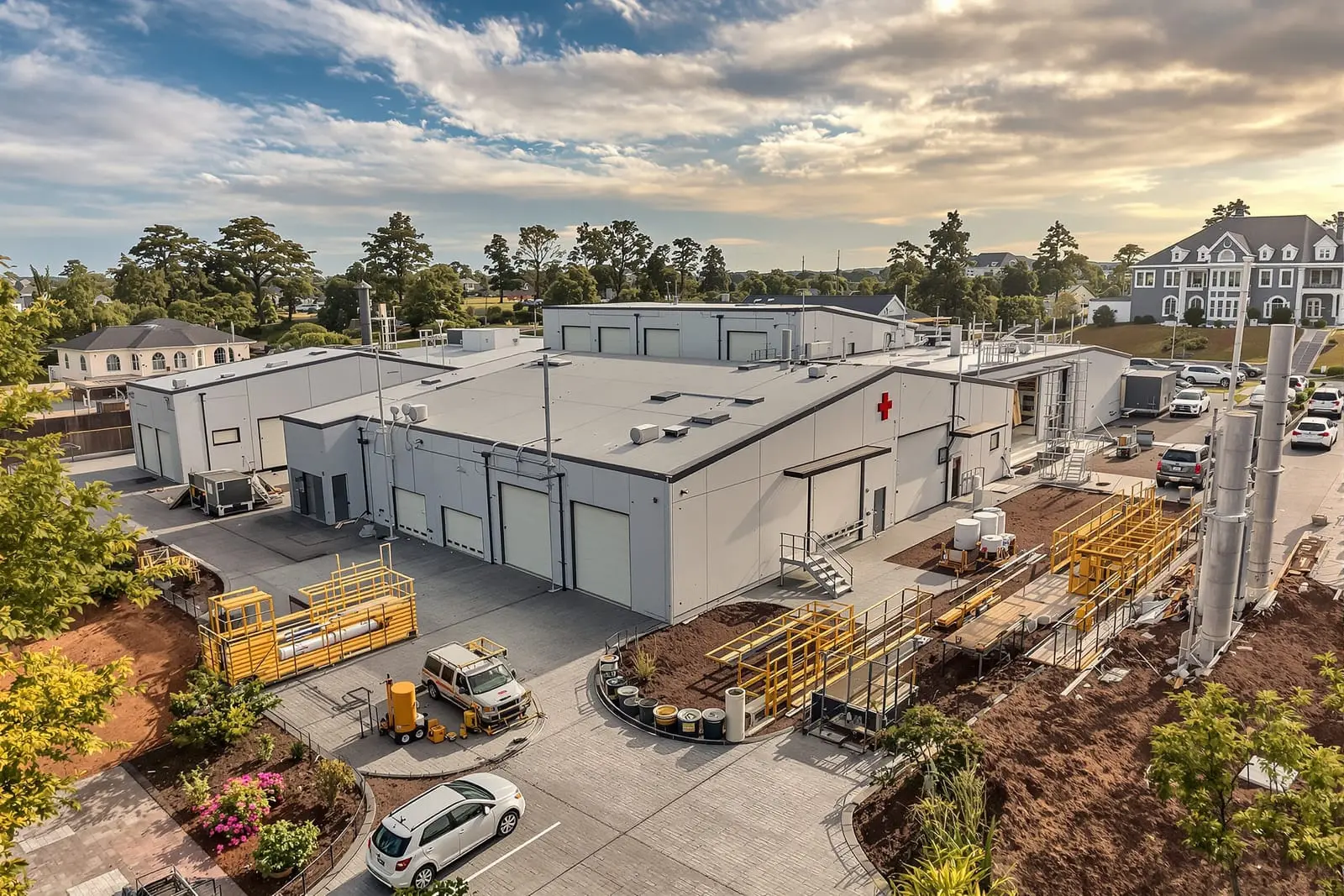
Wrexo Demolition Raleigh manages plant decommissioning in Raleigh, NC for manufacturing, energy, and processing facilities. We create detailed plans to isolate utilities, clean equipment, and dismantle structures safely. Salvageable assets are removed and packaged, while remaining materials are recycled or disposed of properly. Our turnkey approach helps owners close or repurpose facilities efficiently.
Wrexo Demolition Raleigh provides professional plant decommissioning throughout Raleigh, NC and the surrounding area. Our licensed, insured crew delivers safe, clean, on-time work with a free estimate before anything begins. Call (984) 254-6930 or request your free quote.
Plant Decommissioning in Raleigh, NC, Done the Right Way
Plant decommissioning is not just “taking everything down.” It is a controlled, step‑by‑step process that protects your people, your site, and your budget. At Wrexo Demolition Raleigh, we focus on shutting down industrial and manufacturing facilities in a way that keeps regulators satisfied and lets you reuse or sell the property as fast as possible.
For plants in and around Raleigh, that usually means working around tight sites, nearby businesses, and active utilities. We start with a walk‑through of your facility and a review of historical records, including chemical use, maintenance logs, and any past spills or incidents. This first step lets us flag sensitive areas like former plating lines, chemical storage rooms, boiler houses, and wastewater systems before anyone starts cutting steel or breaking concrete.
From there, we build a decommissioning plan that lines up with your shutdown schedule. Some clients need parts of the plant to keep running while other sections come down. Others need everything cleared out by a set date to meet a sale or lease agreement. Our team in Raleigh is used to phasing the work so production, equipment removal, and demolition do not collide and cause delays or safety problems.
How the Plant Decommissioning and Dismantling Process Works
A typical plant decommissioning job with Wrexo Demolition Raleigh follows a clear sequence so nothing important is rushed or skipped.
1. Utility isolation and verification. We coordinate with Duke Energy, local gas providers, and the City of Raleigh for water and sewer to identify and shut off lines feeding your facility. Before we cut into pipes, conduit, or tanks, our crew locks, tags, and tests each system to make sure it is actually dead. That includes steam lines, compressed air, and any private power feeds between buildings.
2. Hazmat and residual materials removal. Many older plants in the Triangle still have asbestos insulation, lead paints, PCB‑containing equipment, or residual chemicals in tanks and sumps. We bring in licensed partners where required, profile the waste, and containerize it for transport to approved facilities. This is also when we handle oils, coolants, solvents, and sludges that have to be pumped out before a tank or piece of process equipment can be cut apart.
3. Selective dismantling of valuable equipment. Instead of smashing everything, we dismantle production lines, boilers, chillers, and electrical gear in a way that keeps resale value. That might mean unbolting sections, using saws and shears instead of impact equipment, and rigging large components out intact. In many Raleigh decommissioning projects, the auction value of equipment significantly offsets the demolition cost.
4. Structural demolition and separation of materials. Once interiors are cleared, we take down mezzanines, platforms, and structural steel using excavators with shears, grapples, and concrete processors. We separate scrap steel, clean concrete, masonry, and non‑recyclables on site so you get maximum scrap credit and minimum disposal cost. This is especially important at sites with limited truck access or strict noise rules.
5. Final cleaning, grading, and documentation. At the end, we remove remaining anchors, flush and grout pits if needed, and rough grade the site. For many owners, we supply a closeout package with waste manifests, recycling weights, and photos that prove the plant was decommissioned properly, which can matter in future real‑estate or financing discussions.
Cost Drivers and Scheduling Realities for Raleigh Facilities
No two plant decommissioning projects in Raleigh cost the same. Wrexo Demolition Raleigh walks clients through the numbers up front so you understand what drives the price and timeline.
Big cost factors include:
• Age and use of the facility. A 1970s chemical plant near the Neuse River has a very different risk profile than a 2005 warehouse on the west side of Raleigh. Older plants usually mean more regulated materials, more unknowns under the floor, and more time needed for investigations.
• Volume and type of residual materials. Empty tanks and clean lines are quick to cut. Tanks with sludge, product, or mixed waste are slower and require pumping, cleaning, and additional hauling. Lagoon systems, underground piping, and hidden sumps can add days or weeks if they are not documented.
• Access and neighborhood constraints. Plants near residential areas around Raleigh often have strict working hours and noise limits. Tight sites, nearby rail lines, or shared driveways can affect crane placement and truck routing. We plan around these realities so you do not lose days arguing with neighbors or inspectors.
• Salvage value and level of care. If you plan to scrap everything, we can move faster with heavier processing equipment. If you want to reuse certain machines or electrical gear at another facility, dismantling takes longer and requires more hand work and rigging.
In terms of schedule, most small to mid‑sized plants around Raleigh take several weeks to a few months from first mobilization to a clean, broom‑swept pad. We build in time for utility cutovers, permit reviews, and any needed testing, instead of promising unrealistic dates that fall apart once walls start coming down.
Managing Risks, Permits, and Environmental Compliance
Plant decommissioning carries more risk than standard interior demolition, mostly because you are dealing with past operations that may not be fully documented. Wrexo Demolition Raleigh focuses on making those risks visible and controllable before they become emergencies.
For many Raleigh sites, stormwater and erosion control is a big concern, especially during rainy seasons. Cutting concrete, pulling tanks, and disturbing old fill can release stained soils or materials that have to be contained. We use silt fence, inlet protection, and covered dumpsters, and we coordinate with local inspectors so controls match City of Raleigh and Wake County expectations.
Underground surprises are another common issue. Buried process lines, abandoned foundations, or old underground storage tanks can show up where no drawings exist. Our crews watch for telltale signs like unexpected slabs, vent pipes, or soil staining, and we stop work in that area until we know what we are dealing with. When needed, we can bring in ground‑penetrating radar or test pits to avoid cutting into something hazardous.
Permitting for plant decommissioning usually involves demolition permits, waste transport approvals, and sometimes air permits for handling certain materials. We help assemble the information the city or county needs, such as structural details, site plans, and disposal destinations, and we time noisy or dust‑creating operations for periods that are less likely to draw complaints.
Finally, documentation matters. For companies with corporate EHS programs or future development plans, we provide clear records of what was removed, where it went, and what conditions were left in place. This helps avoid disputes later, whether with regulators, buyers, or tenants.
Why Local Experience Matters for Plant Decommissioning in Raleigh
Wrexo Demolition Raleigh works primarily in the Triangle, which means we know the common building styles, former uses, and infrastructure quirks around here. Textile, food processing, light manufacturing, and distribution plants each have different shutdown needs, even if they look similar from the street.
Local familiarity helps in practical ways. We already know which local landfills and scrap yards are best suited for different material streams, and we know how strict they are about contamination. That speeds up approvals and reduces rejected loads. We also know how traffic flows on I‑40, I‑440, and local routes, so we can schedule hauling to avoid backup and noise complaints in nearby neighborhoods.
Because we are close by, we are able to walk your plant early, meet with your facilities and EHS staff, and coordinate with your other contractors. Many decommissioning projects involve equipment buyers, utility crews, and environmental consultants all on the same site. Having a Raleigh‑based demolition team that can sit at the same table and adjust in real time keeps the job from turning into a finger‑pointing contest.
Whether you are closing a single building or an entire campus, our goal is straightforward: shut the plant down safely, remove what needs to go, protect what matters to you, and leave you with a site that is ready for its next use without drama or surprises.
“
Professional plant decommissioning and dismantling, done right the first time, quality materials, honest pricing, and results that last.
Wrexo Demolition Raleigh
Plant Decommissioning and Dismantling Across Our Service Area